

New survey shows nearly two thirds of school staff worry about keeping children with SEND safe
Published on 19 May 2026

Our charity has carried out a new survey which shows that parents, carers, autistic people and school staff are concerned about keeping children with Special Educational Needs and Disabilities (SEND) safe at school due to a lack of capacity and resources.
The survey found significant concern about keeping children with SEND safe at school as well as major mistrust in the Government’s proposed SEND reforms, and a lack of funding and support for children with SEND.
In February, the Government set out plans to reform the SEND system in its ‘Every child achieving and thriving’ White Paper which includes ambitious plans to: make mainstream education more inclusive; introduce more layers of support; increase inclusion bases in schools; and improve access to speech therapist and education psychologists via an ‘expert at hand’ offer. But there are also plans to change the rights of parents and many of the plans require more from teachers without enough support to make them possible.
We surveyed 1,008 people between 20th March 2026 and 27th April 2026 about their views on the current state of the SEND system the announced SEND reforms. This included 175 teachers and education professionals and 833 autistic people and parents and carers of autistic children.
Safety concerns
The survey showed nearly two thirds of teachers and education professionals (65%) worry about keeping SEND children safe because of a lack of capacity and nearly nine in ten (88%) worry about being able to support mental health and wellbeing for children with SEND because of a lack of capacity.
Just over one in ten (11%) autistic people and parents/ carers said the right support and resources are in place to make sure children with SEND are safe at school. Only 7% think schools have the resources and funding needed to support children’s wellbeing.
Lack of trust in the Government and SEND reforms
Nearly eight in ten autistic people and parents/ carers (79%) don’t trust the Government’s SEND reforms will improve experiences for children with SEND and their families. More than eight in ten (85%) don’t feel their views on SEND reform are listened to and valued by the Government.
For teachers and educations professionals, over seven in ten (71%) don’t trust the Government’s SEND reforms will improve experiences for children with SEND and their families. More than eight in ten (81%) don’t feel confident that SEND reforms will relieve stress or workload for school staff and professionals who provide support to children with SEND at school.
More than six in ten teachers and education professionals (61%) think the proposed SEND reforms could impact autistic pupils negatively and nearly three quarters (73%) aren’t confident the announced reforms will address the main problems with the SEND system.
Lack of funding and support for children with SEND
Only 5% of teachers and education professionals said current funding and staff capacity is enough to fully support children with SEND where they work, and only 7% of autistic people and parents/ carers think schools have the resources and funding needed to support children’s wellbeing.
More than nine in ten (95%) autistic people and parents/ carers said getting support for a child with SEND is a fight, and only 7% said children with SEND have their needs met at school. Over nine in ten (94%) think every child with SEND has individual needs that cannot be easily categorised, banded or ranked.
Legal rights, autism training and bases in mainstream schools
Nearly all autistic people and parents/ carers surveyed (98%) think children with SEND should have a legal right to a support plan and strong legal routes to challenge if children with SEND are not getting the support they are entitled to. Nearly all (99%) think every teacher should receive training on how to support autistic children.
Over two thirds (66%) think having specific bases in mainstream schools that children with SEND can use to get the support they need would make a positive difference to their experience of school.
Fabian and Amy’s Story
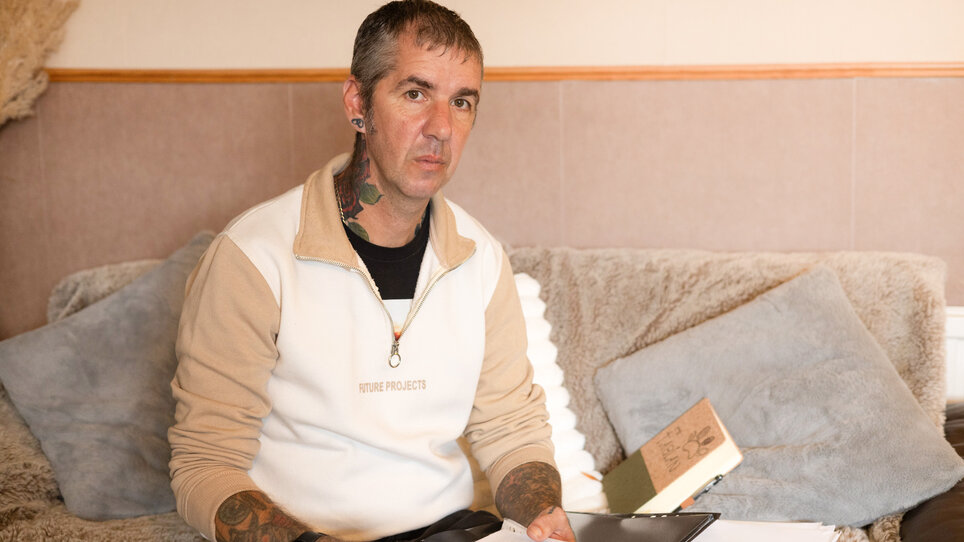
Fabian
Fabian has an autistic daughter, Amy, 16, who has struggled to get the right support in a mainstream school. She has been out of school for seven months without support during a key time when she would have been taking final exams.
Fabian said: “Staff need to have more training and more time to support autistic children. I don't think mainstream schools can cope. Children are being misunderstood all the time and getting punished for things that they can't cope with or can't regulate with. My daughter has been let down so much by her school life and it's going to affect the rest of her life now and as she moves into adulthood.
“Parents shouldn't have to go through the same struggles that we have. The Government needs to do something to help autistic children and their families to get the support they need. My daughter has been let down so much by the system, and I don't want other children to go through the same.”
Jo and Jasper’s Story

Jo and her son, Jasper, nine
Jo’s nine-year-old son Jasper is autistic and ADHD and has dyslexia and dysgraphia. They faced a long fight to get the support Jasper needed in mainstream school, but since getting in a place in a specialist school he has thrived with the right support.
Jo said: “It’s been a long, draining and exhausting fight to get the right support at school for my son. However, since moving to a specialist school for autistic children he is now thriving, and the change in him is amazing to witness. I can now see a very positive future for him, which is something I believe all children deserve to have.
“The current SEND system is broken, but not because of problems with the current SEND Code of Practice and associated legal framework. Local authorities are currently repeatedly breaking the law and failing children. The Government would be better to ensure that schools and local authorities actually fulfil their legal duties; removing parental legal rights to challenge is fundamentally wrong.”
Our response
Our charity launched our Let’s Get SEND Right campaign to make sure SEND reform gives autistic children the support they need to thrive.
We are calling for:
- Mandatory autism and neurodivergence neurodiversity training for all school staff
- Parents being involved in the development of support plans
- Families’ rights to ensure autistic children get the education they need with the right support in the most suitable environment.
Mel Merritt, Head of Policy and Influencing at the National Autistic Society, said: “What we’ve heard loud and clear from parents, teachers, and autistic people is that the current school system is letting down autistic children and this can’t carry on. Children with SEND and their families are forced to fight for the most basic support, while teachers and school staff struggle to meet their needs due to a lack of capacity and resources, leading to serious concerns about children’s safety.
“This is a once–in-a-generation chance to ensure what we all want for our children – a chance of a decent education. Failure to deliver will mean autistic people, families and the Government will spend a lifetime paying for the consequences. The Government’s reforms are ambitious, but they need to be possible for teachers to put into practice and parents need the rights to ensure their child gets the support they need. There’s a high level of scepticism, because of years of failure, so the Government need to ensure students, teachers and parents are listened to.”
Visit the National Autistic Society’s website for more information about the Let’s Get SEND Right campaign and how to get involved.
About the survey
The National Autistic Society carried out a survey, shared via social media and emails, of 1,008 self-selecting people who responded between 20th March 2026 and 27th April 2026 (175 teachers and education professionals and 833 autistic people and parents/ carers of autistic children).
Further information
Read more about our Let’s Get SEND Right campaign.
Read our response to the White Paper.
Read our advice and guidance on education.
Find out more about our education campaigning.