
When did you first know or start to think you were autistic?
I didn’t. As sad as that may sound, the reason behind that is that I believe I was surrounded by a lot of other people who were autistic. Some of them were diagnosed, some weren’t, but they found out later on that they were.
I was misdiagnosed at first with bipolar for four years, and I was quite heavily medicated.
I hired a dyslexia assessor back in 2018 because I felt like I had some learning difficulties. I looked back at my whole history, and I was really struggling with English and maths.
After I had that assessment, they mentioned taking this report to the GP because they felt I had a lot of ADHD traits, but also autistic traits. After taking that to the GP, I only waited about six months for the ADHD assessment.
I did get my diagnosis of ADHD, and then they said that they could see autistic traits and that they would get a referral for me.
So I think I was quite lucky. I only waited about six months again, and I was assessed and got my diagnosis, and it was still a shock. I guess because I was around autistic people, I just thought that that’s how people behave, so it did take a lot of time until I really accepted that I was autistic.
What was the diagnosis process like for you? What did it mean when you got your diagnosis?
The diagnosis process seemed quite straightforward at first. Once I got my diagnosis, I was only really given a brief summary of what autism was. I was given a leaflet, and then it was sort of ‘be on your way’ really. I wasn’t offered any services or anything.
I’ve had to really learn myself for what it was. I had to do a lot of research. I tend to watch videos, and some of them I could relate to, and some of them
I couldn’t. I started to learn that a lot of autistic people are quite different, especially girls who tend to mask.
Your son and husband are also autistic. How have you adapted your home life to support an autistic household?
It took a lot of time, a number of years, because we all show differently. How I work, I’ve got a set structure. I’ve got a lot of routines and rituals that I tend to follow each day – sometimes they can clash with my husband’s or my son’s.
We tend to help each other and support each other with our challenges that are actually other people’s strengths as well. My challenges are around household chores – that’s my husband’s strength. So he tends to do the house chores, and his challenges are communication around emails and telephone calls. So I tend to do all of that because that’s my strength.
Whereas my son seems to like a bit of everything, but he doesn’t like it when things change at the very last moment. If things do change, it’s something that’s out of our control, rather than us changing something when it doesn’t need to be changed.
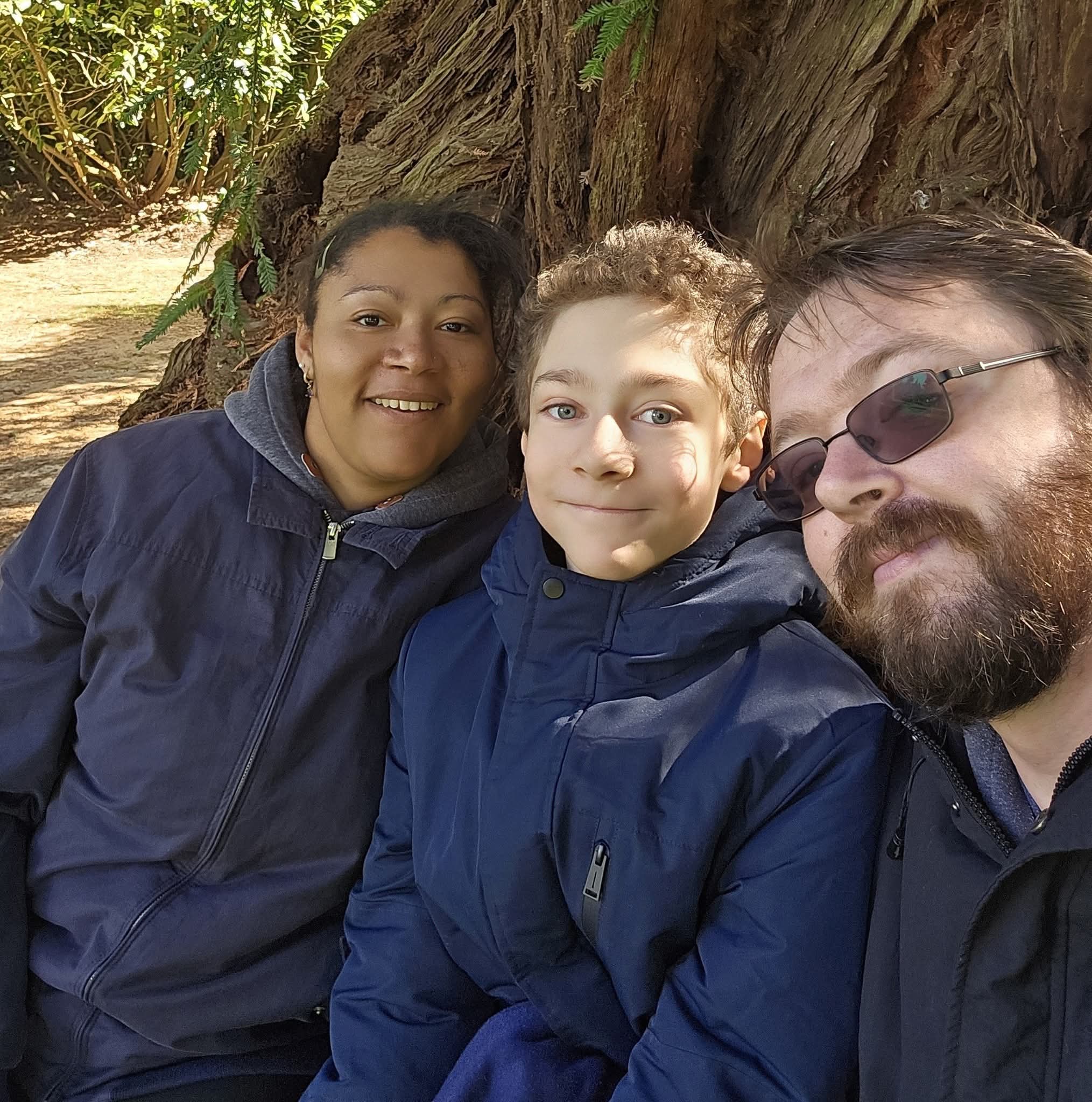
You are home educating your son. What made you take that decision, and how has it been for you and your son?
The decision wasn’t made lightly. In fact, I wasn’t even going to home educate.
Firstly, I spoke to his head teacher and mentioned my concerns that I can see his mental health deteriorating and that he’s having a lot of meltdowns when he comes back home. That didn’t seem to be taken into account at all.
They seemed to have thought something was happening at home, and they said: “Oh, he’s good as gold at school. He’s making such great progress.”
I requested from the head teacher if he could do flexi-schooling, where he could do part-time at home and part at school, and that was completely refused. They basically said that it’s either he stays at school or he gets home educated full-time.
In the end, we chose home education.
How do you feel about the Government’s announced SEND reforms in England? What impact do you think this has on parents who home educate their children?
I completely understand why the Government is saying reform is needed, especially around consistency and safeguarding. But from a lived experience point of view, there’s a real concern that it’s just going to add more pressure onto families who are already stepping in where the system hasn’t worked.
Like a lot of parents, home education wasn’t our first choice. It happened because a lot of children’s needs just aren’t being met in school.
I’ve met a lot of parents who say it’s not a choice that they really wanted to make, but they’ve had to. So when we hear about increased oversight and tighter control without clear improvements and support, it just feels like we’re being monitored more rather than being helped more.
The EHCPs are a big part of that as well. If plans become even harder to secure or less specific, families are going to lose that clarity and protection. That then just creates a lot more instability.
We’re currently in the process of agreeing to an EOTAS (Education Otherwise Than At School) package, but that took well over two years, and we’re still in the middle of a tribunal process.
The biggest worry isn’t just getting that in place, but whether it will actually be respected long-term or pushed back in the same battles at annual reviews.
What advice do you have for families like yours, especially for autistic parents who need to look after their own needs as well as their children’s?
Talking from my own experience, I would say identify what your triggers are, what’s working and what’s not working.
When you get that chance to have a break, even if it’s just a minute to yourself, take advantage of that. Give yourself that moment to actually just breathe. I know not many families can take that break unless they’ve got a big supportive network around them.
If you do have people out there who you can trust, who your children are quite close to and who’re willing to support you and help you get that break, then do take advantage. Don’t feel like you’re being a burden because you’re not.
What is one thing you would like more people to understand about autism?
I would say it’s all around autistic burnout for me. I haven’t had a lot of understanding around that. Even when I explain the reasons why a lot of autistic people go through it, it doesn’t seem to be accepted, let alone understood.
I think it needs to be spoken about more from lived experiences. There is a lot of information out there, but I think people need to show exactly what they can truly go through.
I’ve been there myself a few times, going through autistic burnout, and it’s not always the same either. Some of them have been really bad to the point that I’m not able to get out of bed – I’m sleeping 10-12 hours a day. I’m also losing my appetite, having a lot of meltdowns and crying over anything because I’ve taken on way too much and masked for so long.
Why we mask is another thing that people don’t tend to understand. The majority of the time it’s because we’re trying to keep ourselves safe in society and from the judgments we get from other people.
What does autism acceptance mean to you?
Autism acceptance is to accept the whole of you – not just parts, all of you.
People forget that autism is a part of you. You can’t just wake up one day and say: “I’m not autistic anymore.”
The more people are able to accept the whole of someone, then I think the world will be a better place to be honest.