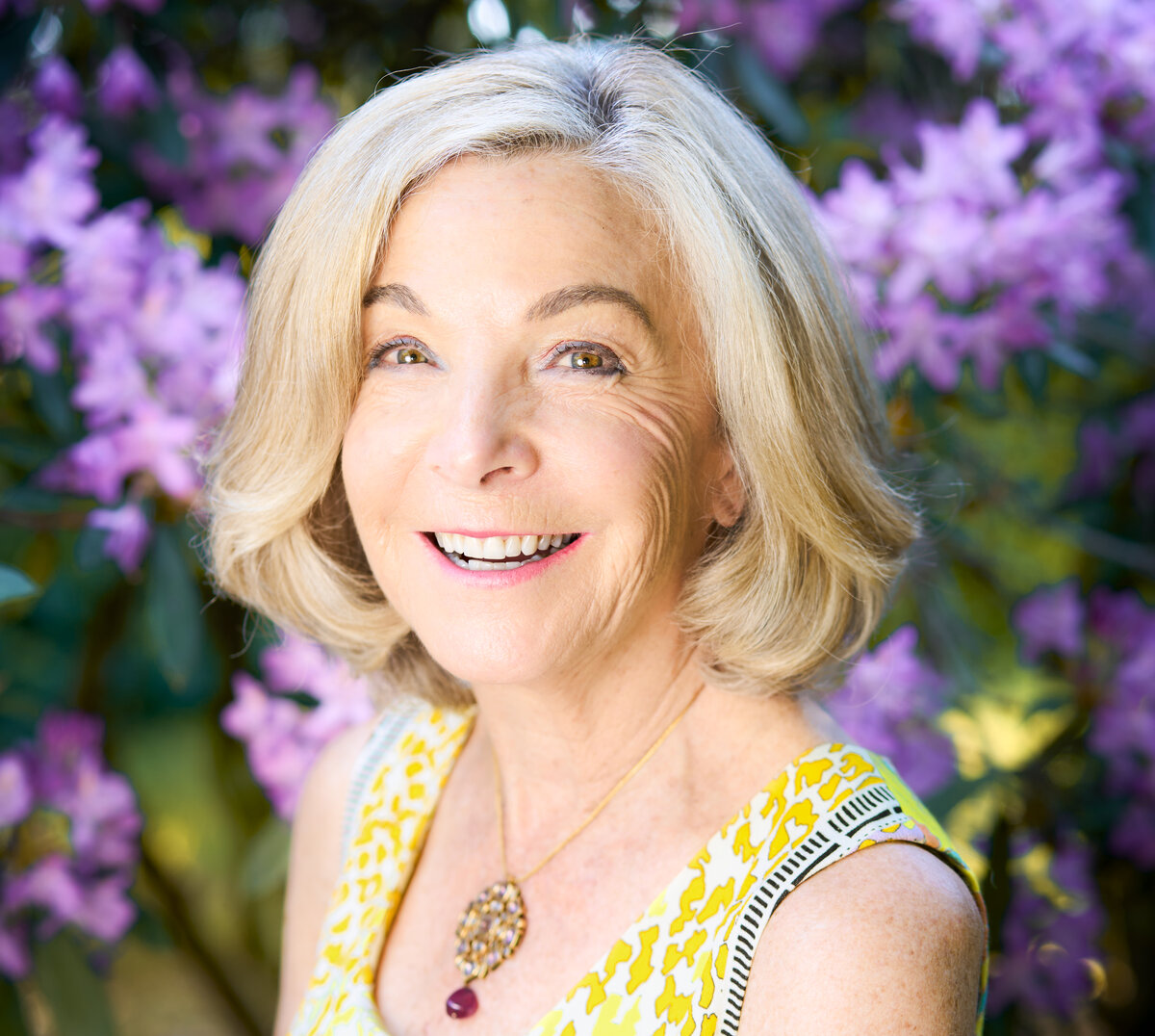
“As the parent of a disabled child, you have to do the work for them.”
Our Vice President, Lady Astor of Hever
- on advocating for her daughter Olivia through school and adulthood
When did you start to think Olivia was autistic?
There were a lot of signs at the beginning that I wasn’t ready to hear really. She didn’t walk until she was 22 months old. At her 18-month check-up, the GP asked if I was worried. She was my third child, and I had three stepdaughters, so I said: “No, she’ll do it in her own time.” But 24 hours later, I rang the GP back and asked for a referral.
At the paediatrician, I remember walking in and saying I didn’t want her diagnosed with autism because I didn’t think she was autistic. I was worried she’d never get into a school. Instead, she was diagnosed as having a social and communication disorder and a learning disability.
Then I spent the next 18 months running around like a headless chicken. At one point, I thought Olivia might have Fragile X syndrome [a genetic condition that can cause difficulties with learning], so we did all sorts of tests. Eventually, I rang the paediatrician and said: “Can you reassess her because I think she might be autistic after all?”
The paediatrician said she always thought she was, and I pointed out that she had given her a diagnosis of a social and communication disorder. She replied that it was essentially a long-winded way of saying she’s autistic.
Did you know much about autism?
When Olivia was diagnosed, I went into deep, deep grief and cried my eyes out because I knew nothing about autism. This was 1994 and there was nothing. To me, it was just Rainman.
I had to get a computer for research. You can read the books, but I needed to have a much bigger search engine than just the local bookshop.
Did you struggle to get support for Olivia at school?
Olivia went to a local primary school, but the head was so resistant to any help or training in autism. By then, I’d met the wonderful Dr Lorna Wing and Dr Judith Gould. Judith rang the school and offered to send people from the National Autistic Society to train staff, but it was a no.
Eventually, Judith said: “Liz, Olivia’s only got one life. Get her out of that school immediately because the head is just not willing to learn or change.”
Then she went to another primary school with one-to-one support. They tried but didn’t manage terribly well. In fact, during an Ofsted inspection, they took Olivia out of the classroom into a tiny little room. I rang Ofsted to tell them. Then she went to a wonderful, local specialist school. She stayed there until she was 19, so she was very lucky.
Where did Olivia go after school?
She went to a college in Leicestershire. I wanted accommodation that would mirror where I hoped she would live afterwards. So, an ordinary house on an ordinary street, where she could get the bus and so on.
She was there for three years. Then, aged 23, she was at home with nowhere to go. I looked for specialist accommodation everywhere, from Canterbury to Cornwall, and couldn’t find anything I liked. It was really depressing.
On a friend’s advice, I had another look at a local residential care service. They assessed Olivia at home. She spent two weeks there to see how she fitted in and for them to see what she was like, and they offered her a place.
She wanted to live independently. She went to a house with one other girl, and it was a disaster. She wouldn’t let anyone in the house and didn’t know what time of day it was (Olivia can’t tell the time). After two months, they found a space for her in a house with three other girls. It was a replica of a family home; they ate together, but there was always a member of staff there. Honestly, it was as if you’d plugged her in. She changed overnight; it was really successful.
She’s been there for ten years now. The minute she joined, I offered to be on the parent/carer committee, then on the board, because you don’t know what’s going on unless you get stuck in. It’s working really well.
What does Olivia do day to day?
Olivia’s got a very good programme. She does sewing and embroidery, and the accommodation had an amazing exhibition last year! She made a bright-green frog.
They are involved in the local community. They take them out to the pub, bowling and so on.
Olivia comes home every third weekend. We do a quiz over dinner. She loves anything to do with Disney, so she can answer things such as: ‘Who is Hercules’ son?’ She doesn’t really make friends, but she loves her family.
What job opportunities would you like to see for autistic adults such as Olivia?
The most important thing is gainful employment. Everybody needs a reason to get up in the morning and to have a feeling of self-worth.
I spoke at the East Surrey Business Club, saying: “You are business people. Give them a job; give them a chance.” A lot of employers are very reluctant to.
When Olivia was at school, I got her work experience at a local bookshop. She worked there once a week for two hours. Now she works in a National Trust bookshop and two libraries once a week.
“Everybody needs a reason to get up in the morning and to have a feeling of self-worth.”
What advice would you give to parents?
When you get to the transition stage between ages 14 and 16, it’s really important to start to address what’s going to happen to your child later on. To start looking for where they could go after that, to think about your will and who’s going to take care of your children when you die. If you can find somewhere that will look after them, develop them, that’s the most important thing.
Find your parental network, because nobody understands unless they’ve been through it. Ask for help from the autism community. Contact the National Autistic Society, sign up. Seek legal and benefits advice.
Never expect any school or institution to be on the ball the whole time; you need to check.
Explore every avenue with education and learning, use whatever interests them and get them to help you at home. Olivia always empties the dishwasher and sets the table.
As the parent of a disabled child, you have to do the work for them. There’s no such thing as luck; it’s preparation meets opportunity.
Lady Astor’s book, Loving Olivia, is available now. She has also recently launched a range of fragrances at lizastor.com.
This article first appeared in Your Autism magazine. Become a member and get Your Autism delivered to your door four times a year.