
Autism is genetic – and why this information matters now
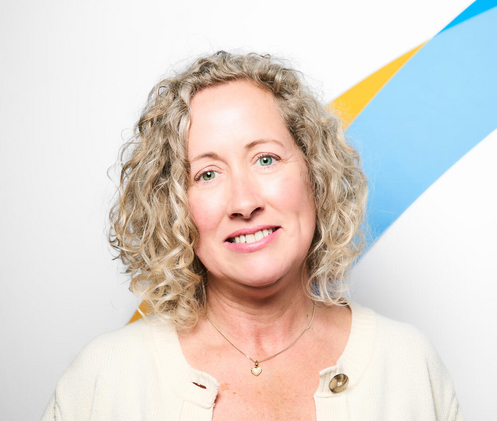
Dr Judith Brown is our Head of Autism Knowledge and Expertise
15/09/2026
Dr Judith Brown is our Head of Autism Knowledge and Expertise. In this blog, she explains why our charity is updating our advice and guidance to state definitively that autism is genetic.
Today, the National Autistic Society is stating definitively for the first time that autism is genetic. You're born autistic and you're autistic for life.
As the UK’s largest autism charity, this update to our what causes autism information follows a robust and comprehensive review of high-quality research in this area by my team. This work is important in light of the daily challenge of false claims about autism in the media and politics in the UK and the US, which are spreading harmful lies and distracting from the very real issues autistic people face.
Until recently, ideas about what causes autism have been vague, and this sense of uncertainty has allowed misinformation to escalate. Last year the Trump administration in the US made completely unfounded claims about paracetamol and more recently has repeated inaccurate information about vaccines. A vast amount of research has looked into whether vaccines cause autism. And the answer is absolutely clear. They don't. And last year, after the Trump administration's claims about paracetamol, British government and research authorities investigated and found no evidence for that either.
But it has proved difficult to convince people that these things have nothing to do with autism when we aren't able to say what does. This is why my team at the National Autistic Society undertook a project to look at all the evidence about what causes autism, analysing 99 individual sources, including 83 research papers. We wanted to give people a clearer answer, and what we found makes that very easy.
"We wanted to give people a clearer answer, and what we found makes that very easy."
Autism is genetic. You’re born autistic and you’re autistic for life. Most autistic people are autistic because of genes they got from their parents. This is why autism often runs in families. Much less commonly, other factors can play a role, but usually in combination with genes from parents. There isn’t a single ‘autism gene’. Thousands of genes combine to make a person autistic. Scientists have identified many of these genes, but they think there are still many more to find. And there is no genetic test for autism. We don't fully understand how genes combine to make a person autistic. It is complex and no simple test can give an accurate answer. Genetic testing cannot predict whether a child will be autistic or not, and it can’t be used to diagnose someone as autistic.
There's often confusion about ‘environmental factors’ linked to autism. This doesn't mean things like cleaning products, vaccines or painkillers cause autism.
When researchers use the term, they're referring to factors such as older parental age, serious maternal infections during pregnancy, prematurity, or complications at birth. Even then, any effect appears to be small, and inherited genetics remain by far the biggest factor.
Beyond inherited genetics, there are only two well-established factors that significantly increase the likelihood of autism: rubella (German measles) infection during pregnancy and exposure to the anti-seizure medication valproate in pregnancy. Both are now rare in the UK due to vaccination programmes and strict prescribing guidance.
Children affected in these cases are also more likely to have health conditions and learning disabilities. In very rare instances, spontaneous genetic changes can also increase the likelihood of autism.
So why should you trust information from us? We have a dedicated evidence and research team who review all the published evidence on a topic and judge it against recognised quality assurance criteria. We say when the answer isn't clear. When it is clear, we can be confident that our statements are backed by an audit trail of quality evidence. We shared our review of the research with a panel of 300 autistic people and family members. The majority (64%) of our panel of autistic people and their families felt this information would help dispel myths about the causes of autism.
“We shared our review with a panel of 300 autistic people and family members. The majority felt it would help dispel myths about the causes of autism"
But many expressed concern that this could lead to parental guilt or blame, even though no one controls the genes you get from your parents – it is the same way you get your hair or eye colour. After decades of prejudice and stigma, how could they not be concerned?
We all have a desire to be understood, valued for who we are, and to make the most of our talents. But autistic people often feel judged. One in four autistic people say that when they tell a member of the public they are autistic, they usually get a negative reaction. There are some extremely sobering statistics too - autistic people are three times more likely to die by or attempt suicide than non-autistic people, and nine in 10 autistic people (90%) experience poor mental health due to attitudes or perceptions of autism.
Autistic people and their families want future research to focus on the priorities of autistic people, rather than 'treatments’ or ‘cures’. There is no ‘cure’ for autism and most autistic people (and many others) believe there is no need for a cure or for any kind of therapy to ‘treat’ autism. This does not mean that autistic people do not face challenges, but with the right support in place, they can live fulfilling and happy lives. Many autistic people and families also want to make sure that the positive aspects of autism and the strengths it brings - for some individuals and for society - are emphasised. We’ve included answers to the questions autistic people and their families raised with us on our page What causes autism, and we’ll continue to listen.
My sincere hope, plea and wish is that people read our advice and guidance, take on board the evidence, and we can move to focusing on what really matters and will make a difference for autistic people. This must be focused, sustained changes across education, employment, health and social care, improved assessment and diagnostic services and better mental health support to create a society that truly works for autistic people.