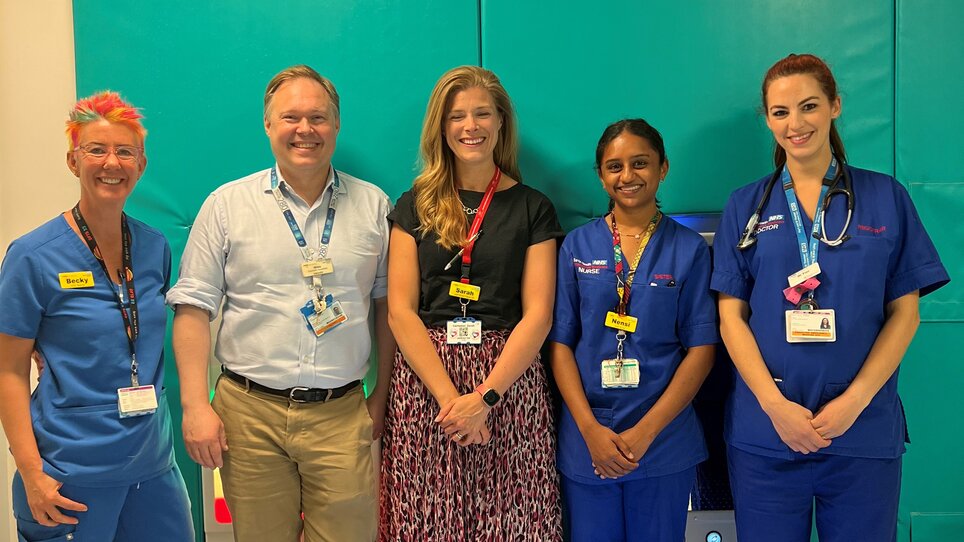
❝I am very proud of all the hard work so many people in the emergency department and hospital have contributed to this project. This is an important point in our journey to being inclusive.❞
- Dr Giles Armstrong, Paediatric Emergency Consultant
Why did you register with the Autism Accreditation programme?
Our journey began in 2019, when I read about an airport’s accreditation by the National Autistic Society. I believed that if an airport could get accreditation, then an emergency department could too.
A dedicated team of staff worked with the adult & paediatric emergency departments to sign up for the award, which was inspired and driven by personal experiences of staff with autistic family members.
How did the best practice framework support your self-reflection and developments for your service?
The inclusion framework was incredibly helpful, supporting developments such as adapting standard operating procedures, encouraging disclosure, developing Social Stories for procedures and other visual supports for accessing the hospital. They also appointed autism champions and continue to build links with partners, including schools, branches of the National Autistic Society and others.
The team found some areas more challenging to implement than others, such as updates to the IT systems to filter for hospital passports and flag disclosure on the system. However, they successfully got this up and running.
Initially, the teams were concerned about having to make expensive environmental changes and purchase equipment. We were encouraged to think about standard operating procedures (SOPs), building links within the community and offering accessible information on webpages.

What are some examples of changes made to the practice as a result of your team undertaking the accreditation process?
- stop, ask and listen
- slow down, go to eye level, simplify jargon
- SOPs: disclose and let them wait in different, designated quiet areas or out of the hospital (since accreditation, maternity teams offer ‘food court’ style pagers)
- autism champions
- posters with info for all emergency department staff
- building links with partners: schools/ local branches / internal departments / CAMHS
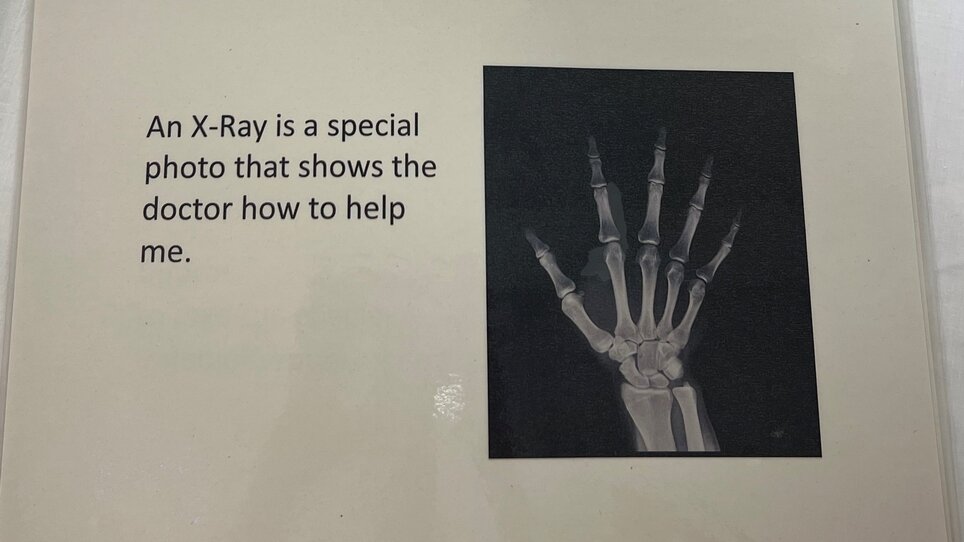
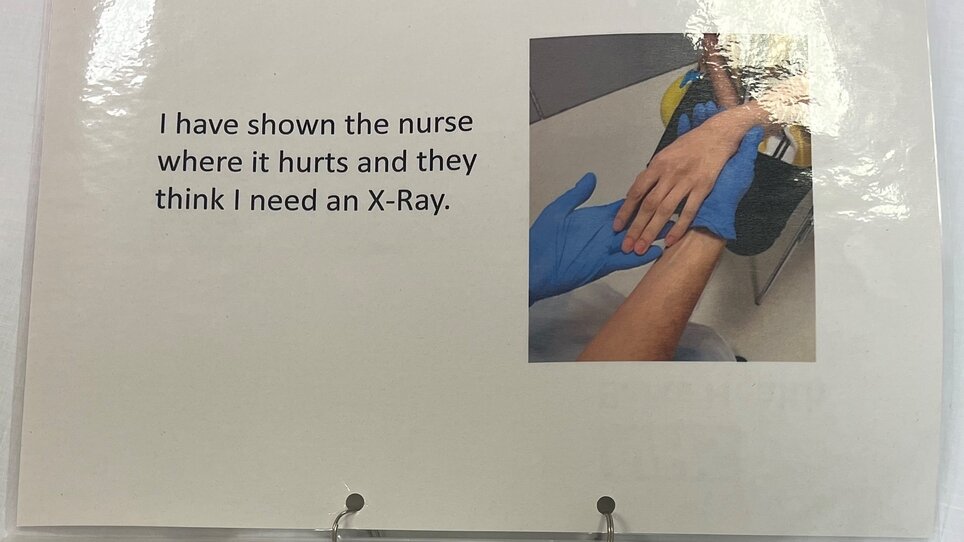
- Social Stories / photo maps that drew on a wider system for consistent approach
- adapting autism training and delivering short CPD sessions
- CRS systems for hospital passports and systems for disclosure
- links provided to create personalised hospital passports
- easy access to autism specific info on a public webpage
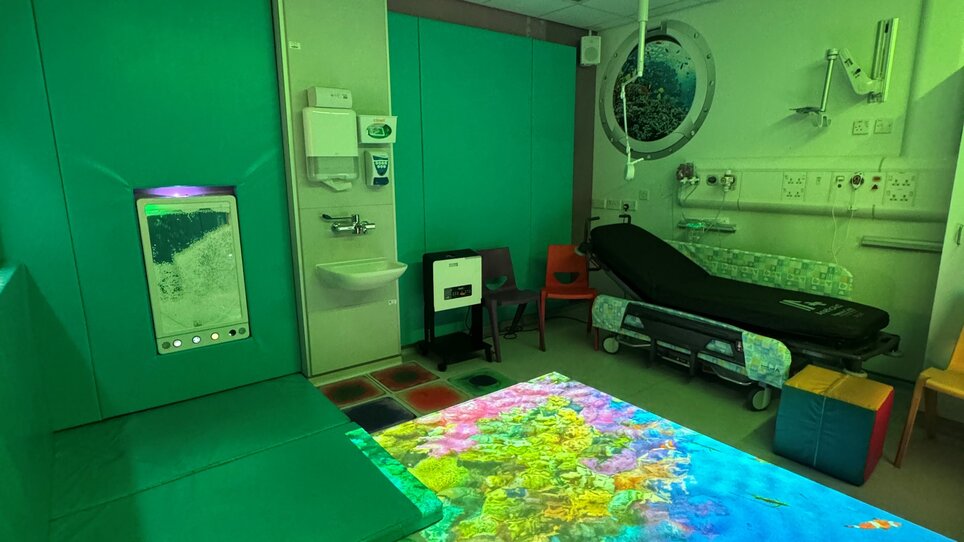
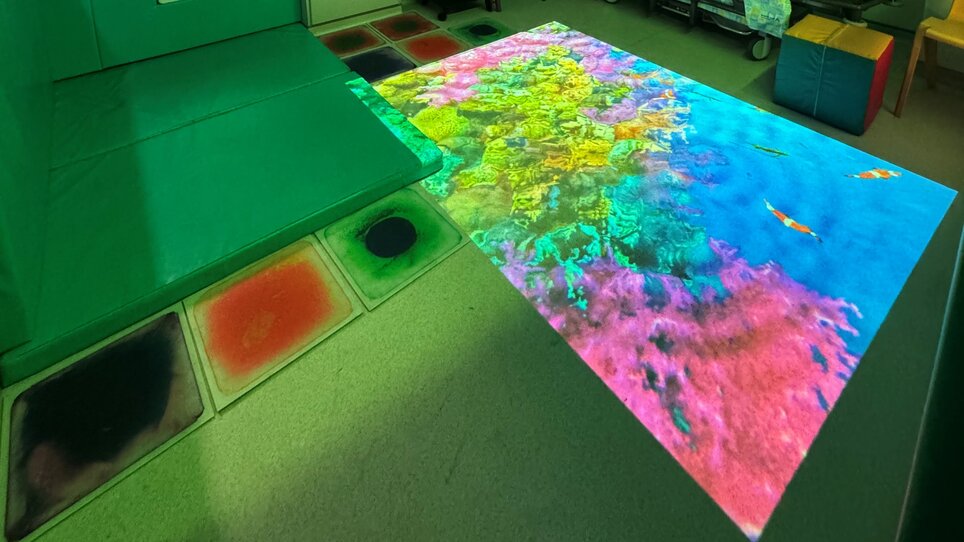
- sensory rooms / portable sensory stations.
What changes do you plan to make?
- systems and filters to analyse data and feedback from autistic patients
- ensure adult A&E has systems in place to encourage people to disclose more consistently
- continue to ensure signposting is on display in both departments
- ensure all documentation reflects identity first language in line with the National Autistic Society guidelines and feedback from autistic people.
- work with the trust to implement the new national "reasonable adjustments" flag on the trust medical record


Can you provide any positive outcomes that have occurred for the autistic people you support as a result of undertaking the Accreditation process?
A young autistic patient with a painful and infected toe was prioritised due to their needs and offered a quiet area with sensory equipment. This calmed the patient, allowing them to be treated in a clinical area. A follow-up appointment was organised with the Physician Response Unit to avoid the stress of returning to the hospital. This tailored response alleviated stress for the patient and their family, enabled better assessment and resulted in a healing toe.

What does it mean to you as a service to have achieved the accreditation kitemark?
Dr. Giles Armstrong, Paediatric Emergency Consultant, stated: “I am very proud of all the hard work so many people in the emergency department and hospital have contributed to this project. This is an important point in our journey to being an inclusive department. I look forward to more improvements over the coming years.”
The news about the emergency department was shared through newsletters and published on websites.
Families of autistic children interviewed as part of the accreditation process reported that the service has improved exponentially in the last year. The sensory facilities and multidisciplinary team support, including the play therapist, are fantastic and make waiting times much more manageable and treatment possible.
What benefits do you see the programme having to other provisions like yourself, and would you recommend others undergo the process?
Since becoming accredited, the departments have continued to develop and share their journey with other London emergency departments through presentations, networking and showing colleagues around. What has made the biggest difference is asking people to disclose their needs and making reasonable adjustments. Small changes can make a big difference in patients’ experience. There has been a shift where autistic patients, who historically may have been difficult to assess due to distress and difficulty regulating in a busy environment, are now much easier to assess and treat because of these small adjustments. This benefits the departments in turn, as it takes less time to make an assessment and reduces diagnostic overshadowing.
Autism Inclusion Award
This award is for mainstream providers in education, general health, community activities and the criminal justice system.